How to Prove You Overpaid Commission: Evidence Checklist

The Bottom Line: For decades, a "cooperative compensation" rule effectively forced home sellers to pay the fees for the very agents negotiating against them. Following the $418 million NAR settlement and the Sitzer/Burnett verdict, that era is over. If you sold a property during the class period, you may be eligible for a refund, but the burden of proof is on you. To recover funds, you must assemble a specific paper trail—including your Listing Agreement and Closing Disclosure—to prove that uncompetitive rules inflated your costs.
Major antitrust lawsuits and settlements are fundamentally changing how real estate commissions work.For millions of homeowners who sold property over the past decade, and even those who purchased, the question looms large: Did I overpay commission?
More importantly, how can I prove commission overpayment to potentially recover funds? This guide provides a comprehensive checklist of real estate settlement evidence you'll need to assess your situation and navigate the path to potential recovery.
Recent legal challenges, notably the Sitzer/Burnett verdict and subsequent NAR settlement, have brought the long-standing practice of seller-paid buyer broker commissions under intense scrutiny. These cases allege violations of the Sherman Antitrust Act, claiming that rules enforced by the National Association of REALTORS® (NAR) artificially inflated commission rates. While the NAR settlement, with its final approval slated for February 6, 2026, aims to resolve many claims, understanding your individual transaction's details is paramount.
Whether you're a former homeowner seeking to understand your rights or a real estate professional advising clients, compiling the right documentation is the first critical step. This checklist will empower you to identify and gather the necessary records to build a strong case for proving commission overpayment.
Understanding the Basis for Overpayment Claims
Before diving into the evidence, it's crucial to grasp the legal theories underpinning these overpayment claims. The core allegation is that NAR rules, specifically the "cooperative compensation" rule, mandated sellers to offer compensation to buyer brokers as a condition for listing their property on the Multiple Listing Service (MLS). Critics argue this practice suppressed competition among buyer brokers, leading to artificially high, non-negotiable commission rates for sellers.
The buyer broker commission rule has been challenged as anticompetitive, leading to significant changes. Effective August 2024, MLS rule changes will prohibit listing brokers from offering compensation to buyer brokers through the MLS. This shift is expected to fundamentally alter how buyer agents are paid, potentially leading to more transparent and negotiable commission structures. If you sold a home prior to these changes, particularly within the class period of these lawsuits, your transaction might fall under the umbrella of potential overpayment.
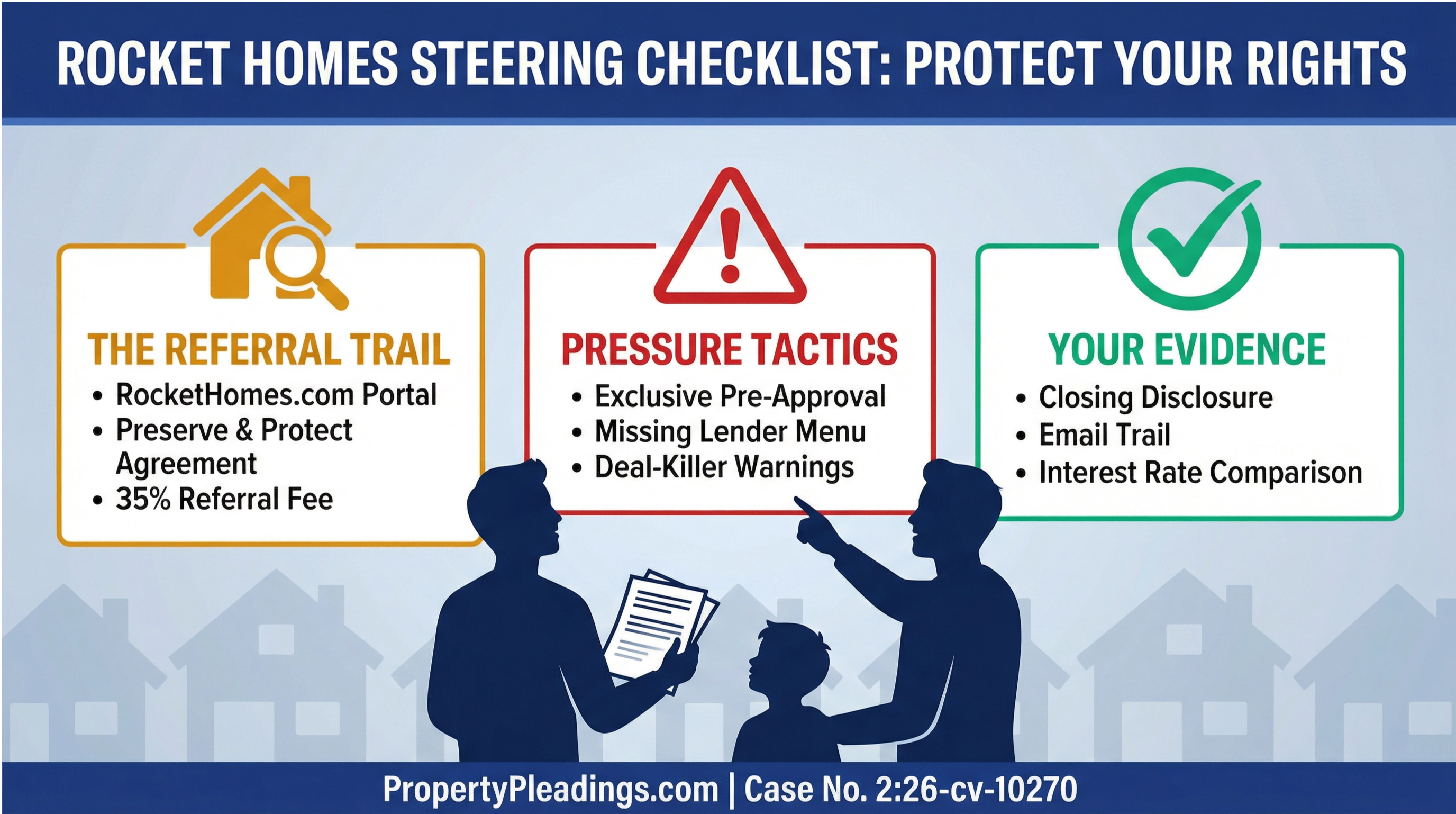
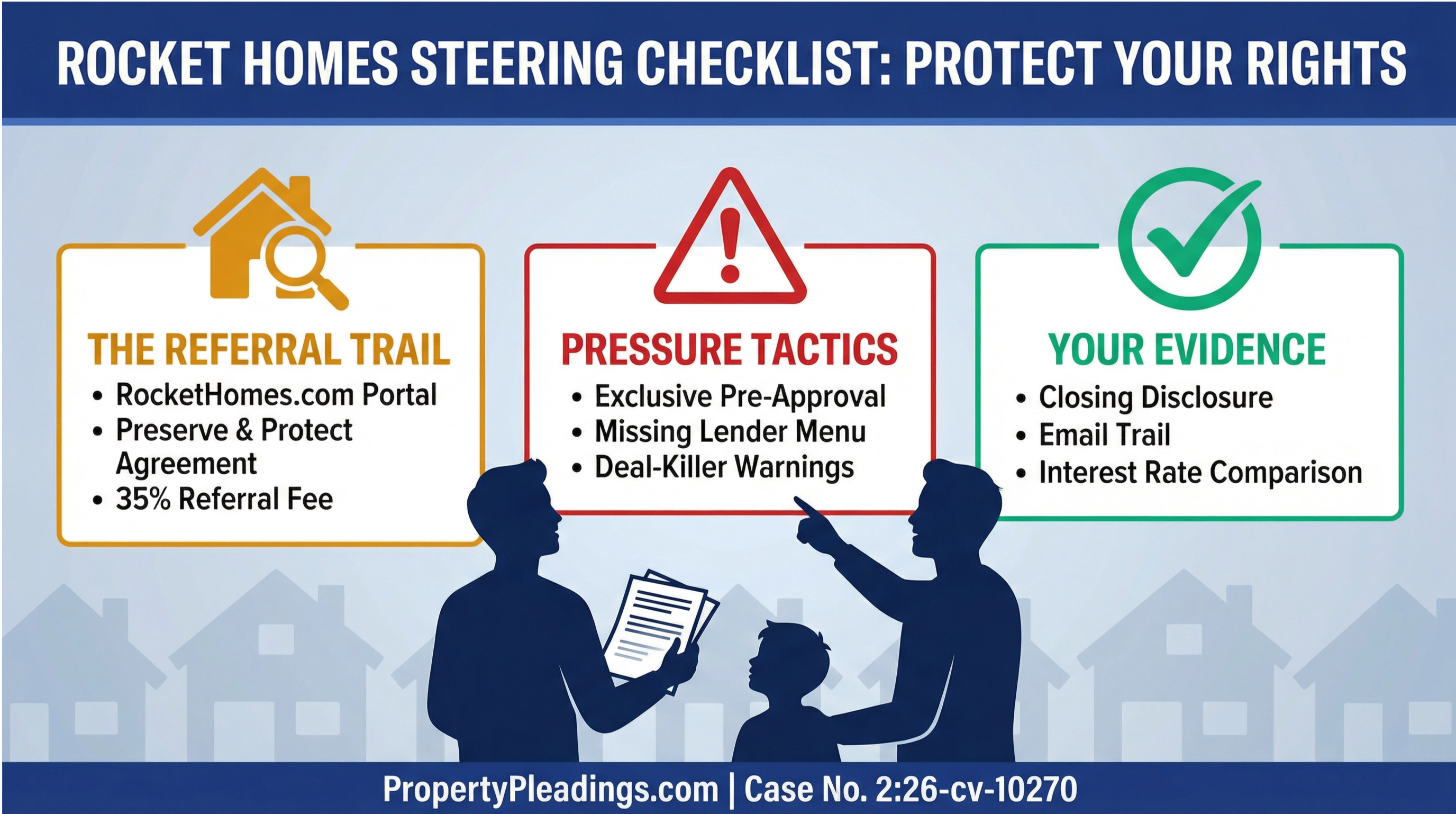
Furthermore, claims often cite issues like steering practices, where buyer agents might have shown properties only where a cooperative commission was offered, regardless of the buyer's best interests. This further illustrates the alleged lack of true competition and negotiation.
Your Essential Evidence Checklist to Prove Commission Overpayment
To effectively demonstrate that you overpaid commission, you'll need to gather a comprehensive set of documents related to your real estate transaction. Think of these as the building blocks of your claim.
1. The Listing Agreement
This is arguably the most critical document. Your listing agreement with your seller's agent outlines the total commission agreed upon for the sale of your home. It typically specifies:
Total Commission Rate: The percentage of the sale price you agreed to pay your listing broker. For example, 5% or 6%.
Buyer Broker Commission Offer: Historically, this section would detail the portion of the total commission that your listing broker agreed to share with the buyer's broker. This is the key piece of evidence for proving the alleged anticompetitive practice. Look for language like "cooperative compensation to buyer's broker" or "buyer's agent commission."
Brokerage Names: Identifies your listing brokerage.
Dates: The effective dates of the agreement.
Why it's crucial: This document directly shows the contractual obligation to pay a buyer broker commission, which is at the heart of the antitrust allegations. If your listing agreement explicitly states a percentage offered to the buyer's agent, it's strong real estate settlement evidence.
2. The Closing Disclosure (CD) or HUD-1 Settlement Statement
These documents, provided at closing, offer a detailed breakdown of all costs associated with your transaction. They are invaluable for confirming the actual commissions paid.
Seller's Side Expenses: Look for line items detailing "Real Estate Commissions" or "Broker Fees." This will show the total amount you, as the seller, paid out of your proceeds.
Breakdown of Commissions: While some CDs might combine commissions, many will itemize the listing broker's commission and the buyer broker's commission.
Transaction Dates: Confirms the date of your sale, which is important for determining if your transaction falls within the class periods of various lawsuits.
Why it's crucial: The CD or HUD-1 provides irrefutable proof of the monetary amount of commission paid and to whom. It corroborates the figures stated in your listing agreement.
3. MLS Listing History and Printouts
If you have access to your property's historical MLS listing, or a printout from when it was active, this can be powerful evidence.
Cooperative Compensation Field: Prior to the August 2024 MLS rule changes, the MLS typically had a field explicitly stating the compensation offered to the buyer's agent. This directly demonstrates the alleged practice of offering compensation through the MLS.
Listing Details: Provides context about the property, pricing, and marketing.
Why it's crucial: The MLS listing directly reflects the mechanism through which the cooperative compensation rule was implemented. It shows what was publicly advertised to buyer agents regarding their payment.
4. Buyer-Broker Agreements (If Applicable)
While the primary focus of overpayment claims has been on sellers, the future of real estate transactions will increasingly involve buyer-broker agreements. If you were a buyer who signed such an agreement and believe you paid an inflated fee, this document is essential.
Commission Structure: Details how your buyer's agent was compensated, whether directly by you, through a credit, or via a seller contribution.
Services Rendered: Outlines the duties of your buyer's agent.
Why it's crucial: As of August 2024, new buyer-broker agreement requirements will be in place. For past transactions where buyers directly paid their agent, this agreement would be central to any claim of overpayment. For sellers, it might be less relevant unless the buyer's agent's compensation was explicitly tied to a seller concession that you agreed to.
5. Communication Records (Emails, Texts, Notes)
Any written communication with your real estate agents regarding commissions can be valuable, especially if it touches upon negotiation attempts or explanations of commission structures.
Negotiation Attempts: Did you try to negotiate the commission rate? What was the response?
Agent's Explanation: Did your agent explain why a certain commission structure was necessary or standard?
Evidence of Steering: While harder to prove, any communication suggesting a buyer's agent only showed properties with a certain commission offer could be relevant.
Why it's crucial: While not as definitive as contractual documents, communication records can provide context, demonstrate lack of true negotiation, or highlight practices that support the antitrust claims.
6. Comparative Market Analysis (CMA) or Appraisal
These documents establish the market value of your home at the time of sale. While not directly proving commission overpayment, they provide context for the transaction's overall financial health.
Why it's crucial: Helps establish the baseline value against which commission percentages are applied. It's supporting documentation rather than direct proof of overpayment.
Navigating Settlement Claims and Deadlines
The various settlements reached with major brokerages and NAR have specific class periods and claim deadlines. Understanding these is vital for anyone looking to prove commission overpayment and potentially recover funds.
Here's a snapshot of some key settlements and their implications:
NAR Settlement: $418M, with final approval anticipated February 6, 2026. This settlement covers a broad class of home sellers nationwide. Keep an eye on official channels for claim submission details once final approval is granted.
Anywhere (Coldwell Banker, Century 21, Sotheby's): $83.5M. This was an early settlement, and the claim period for this specific settlement may have already passed.
RE/MAX: $55M. Similar to Anywhere, early settlement, check for specific claim deadlines.
HomeServices of America (Berkshire Hathaway): $250M. This settlement is still pending, and its terms and class period will be crucial.
Keller Williams: $70M. Another significant settlement with its own class action specifics.
Multi-firm settlements: William Raveis ($4.1M), Howard Hanna ($32M), EXIT Realty ($1.5M), Windermere & Lyon. These smaller settlements also have specific criteria for eligibility.
It's imperative to consult the official settlement websites or a qualified legal professional to determine if your transaction falls within the eligible class period for any of these settlements. Our Settlement Checker tool can help you identify relevant settlements based on your transaction details and brokerage involved.
What to Do Once You Have Your Evidence
Once you've gathered your evidence, your next steps depend on whether you intend to participate in an existing class action settlement or pursue an individual claim.
1. Review Settlement Eligibility
Use your collected documents to verify if your transaction falls within the class period and meets the criteria for any of the ongoing or approved settlements. Pay close attention to the dates of your sale and the brokerages involved. For instance, if you sold your home through a Coldwell Banker agent between specific dates, you might be eligible for the Anywhere settlement.
2. Consult Legal Counsel
For complex situations or if you believe you have a unique claim, consulting with an attorney specializing in real estate litigation is highly recommended. An attorney can help you assess your evidence, understand the nuances of antitrust law, and guide you through the claims process. Our Attorney Directory can help you find qualified professionals.
3. Submit Your Claim (If Applicable)
If you are eligible for a class action settlement, follow the instructions provided by the settlement administrator carefully. This will typically involve submitting a claim form along with your supporting documentation (e.g., your Closing Disclosure and Listing Agreement). Missing deadlines or providing incomplete information could jeopardize your claim.
4. Understand the Impact of MLS Rule Changes
The MLS rule changes effective August 2024 represent a significant shift. While these changes primarily affect future transactions, they underscore the historical context of the alleged overpayments. Moving forward, buyers will likely need to directly negotiate and pay their agents, or seek seller concessions for buyer agent fees, making the commission structure far more transparent and negotiable. This future transparency highlights the past opacity that led to these lawsuits.
Beyond the Settlements: The Future of Commissions
The legal challenges and subsequent settlements are not just about past overpayments; they are reshaping the future of real estate. The prohibition on cooperative compensation offers through the MLS means a fundamental change in how buyer agents are compensated. This will likely lead to:
Direct Buyer-Agent Agreements: Buyers will increasingly sign explicit agreements with their agents, detailing services and compensation.
Negotiable Commissions: Both listing and buyer agent commissions are expected to become more transparent and subject to direct negotiation.
Increased Consumer Awareness: Buyers and sellers will need to be more informed and proactive in understanding and negotiating fees.
As a consumer, staying informed about these changes is crucial. Resources like our Document Library can provide valuable insights into new forms and agreements.
Conclusion: Empowering Yourself with Knowledge and Evidence
The era of potentially hidden or inflated real estate commissions is drawing to a close. For those who sold homes during the class periods of these historic lawsuits, the opportunity to seek redress for alleged overpayments is real, but it hinges on meticulous documentation.
By diligently compiling your real estate settlement evidence – particularly your listing agreement, closing disclosure, and MLS history – you equip yourself with the necessary tools to assess your eligibility for compensation. Whether participating in a class action settlement or seeking individual legal advice, this evidence checklist is your roadmap to understanding and asserting your rights.
Don't let the complexity deter you. The time to gather your documents and understand your options is now. The real estate market is evolving, and with the right information, you can navigate these changes confidently.
---
Ready to explore your options?
Use our tools to understand your potential claim:
Check Your Eligibility: See if your transaction falls under an existing settlement.
Find Legal Counsel: Connect with attorneys specializing in real estate commission lawsuits.
Understand Future Changes: Learn how new rules might affect your next transaction.
Access Key Documents: Explore our library of legal and industry resources.
Image Credit" Nano Banana
Share this post

About the Author
Frances Flynn Thorsen
REALTOR® • Writer • Educator • Consumer Advocate
Frances Flynn Thorsen brings nearly 40 years of frontline experience in residential real estate, with a career built at the intersection of consumer advocacy, market literacy, and professional accountability. A leading REALTOR®, writer, educator, and trusted advisor to high-performing agents, she translates complex market forces and industry practices into clear, practical guidance for consumers and the professionals who serve them.
eXp Realty LLC • State College, PA • License RS148436A
Related Articles